 Certified Invisalign Provider
 Nobel Biocare certified implantologyCertified Invisalign ProviderNobel Biocare certified implantology
4 min read · How we clean, sterilise and store every instrument, and keep the clinic safe.
Every dental patient is entitled to know one thing before anything else: that the instruments going into their mouth are clean and sterile. At Dental Arch, instruments follow a multi-step sterilisation protocol modelled on guidance from international bodies such as the US Centers for Disease Control and Prevention (CDC), the American Dental Association (ADA) and OSHA. This article explains what happens to an instrument between one patient and the next, and what else we do to keep the clinic clean.
No instrument goes straight from one patient to the next. Each one passes through the same sequence:
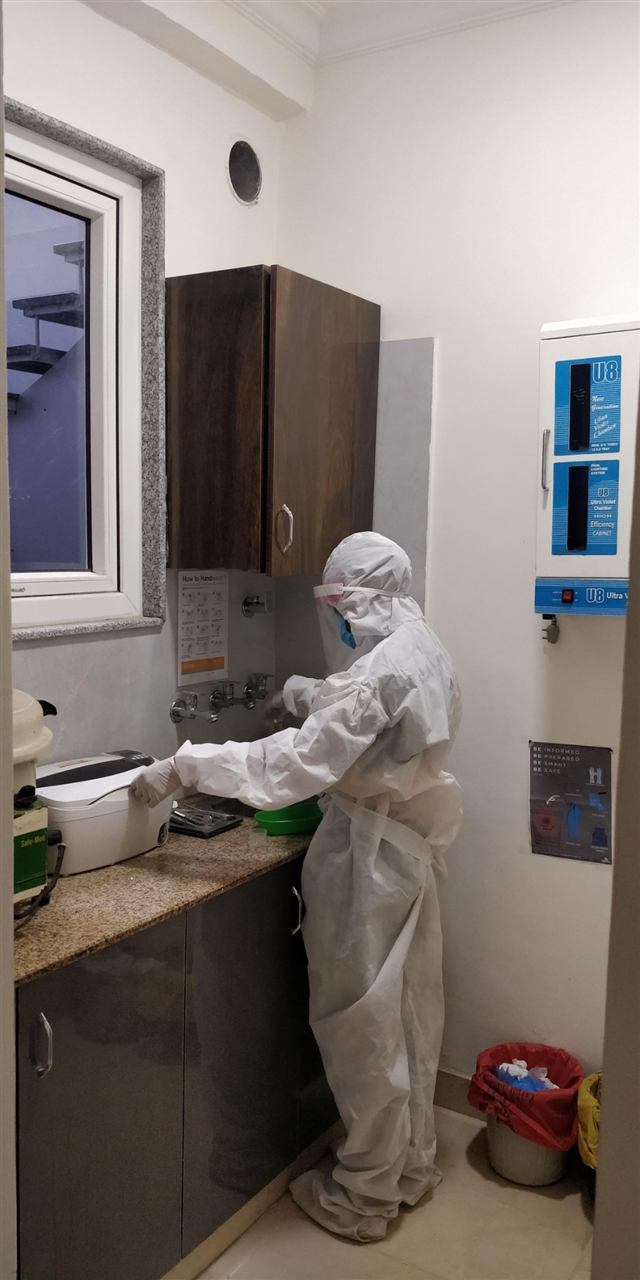
Used instruments are collected and taken to a separate sterilisation area. Staff handle them wearing full protective gear: gown, gloves, mask, face shield and cap. Instruments are rinsed to remove blood, saliva and debris before cleaning.
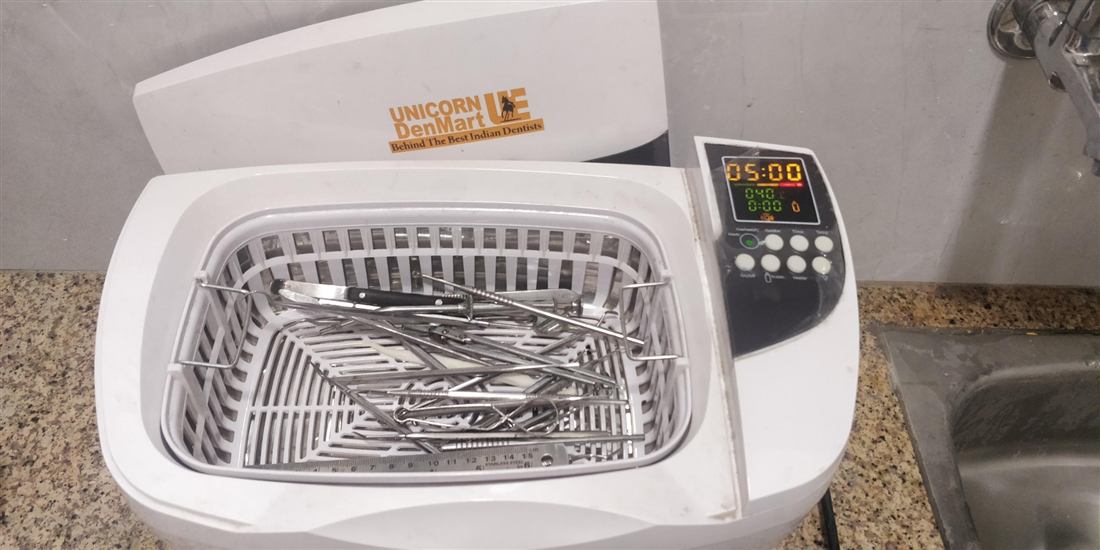
Instruments are then placed in an ultrasonic cleaner. High-frequency vibrations in a heated cleaning solution loosen and remove debris from hinges, serrations and small crevices that hand scrubbing can miss. Cleaning first matters because an instrument that is not clean cannot be reliably sterilised.
After ultrasonic cleaning, instruments are rinsed, dried and checked. Anything that is damaged or still not clean is cleaned again or replaced.
Clean, dry instruments are sealed in sterilisation pouches. The pouch keeps them sterile after the autoclave cycle, until the moment they are opened for the next patient.
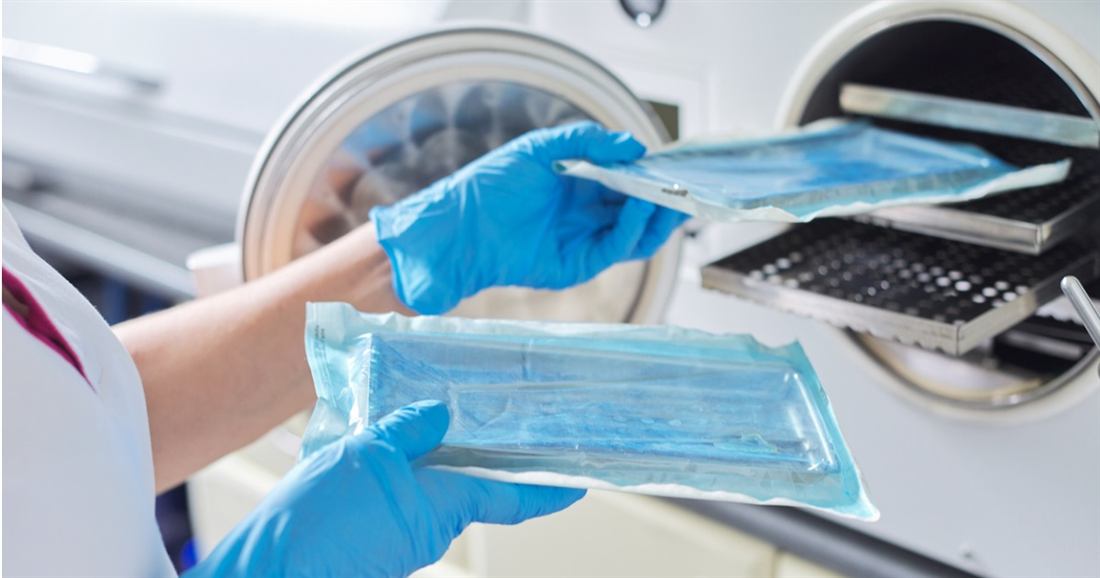
Sealed pouches are sterilised in a Class B autoclave. A Class B autoclave removes air from the chamber before the cycle and then uses pressurised steam, so steam can reach hollow instruments, handpieces and wrapped items. It is the type recommended for dental instruments, and it is the strongest level of in-clinic steam sterilisation.
After sterilisation, instruments are stored in UV chambers until they are needed, so they stay protected from the environment between cycles.
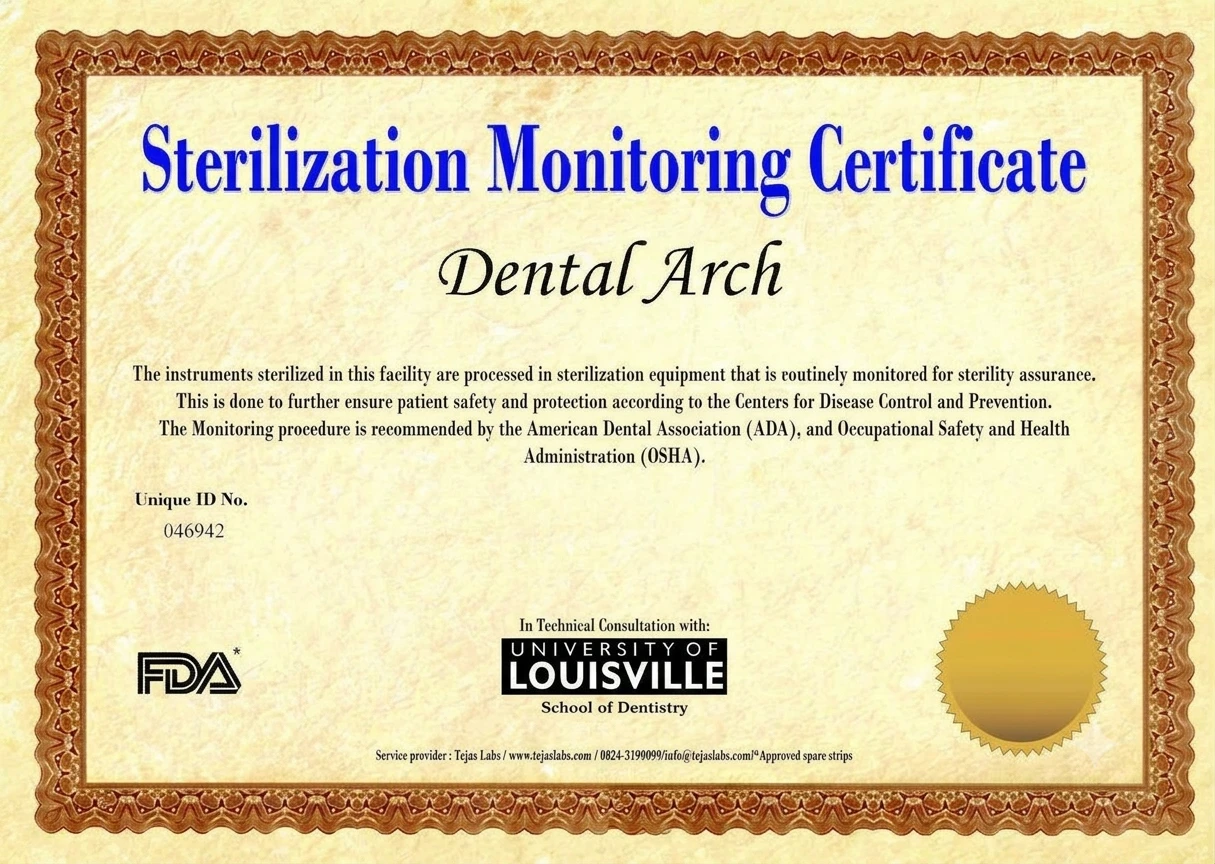
Sterilisation is only as good as its checking. Our sterilisation equipment is covered by a spore-test monitoring programme, in line with CDC, ADA and OSHA recommended practice. A sterilisation monitoring certificate from this programme is shown below.
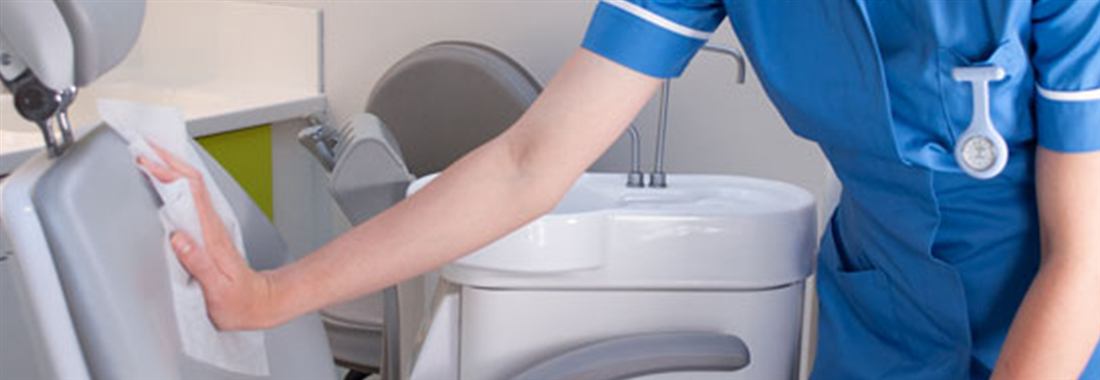
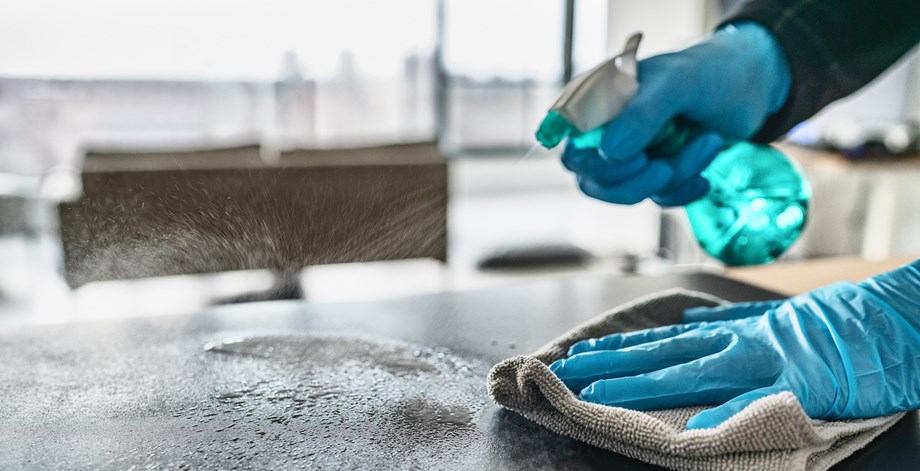
Infection control is not something you can see from the waiting room, which is why we want to be open about it. It matters most for treatments such as dental implants, oral surgery and root canal treatment, where instruments come into contact with blood or deeper tissue.
You are welcome to ask us any of these, or to see our sterilisation area, when you visit. Learn more about our technology, or find us on Golf Course Road, Sector 28.
Dental Arch Gurgaon
Lower Ground Floor-105, Sector-28, Gurgaon, Haryana. Near Golf Course Road.