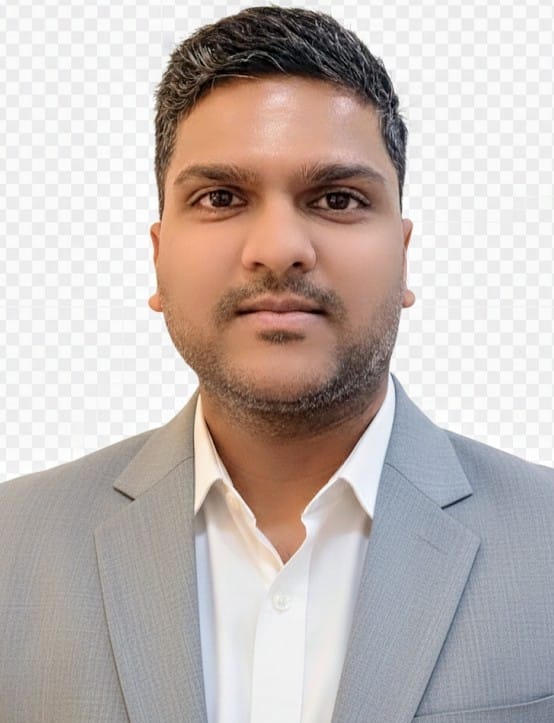
Dr. Anish Goyal, MDS
Invisalign Certified Dentist
Dr. Goyal holds a Master of Dental Surgery (MDS) and is a certified Invisalign provider, practising at Dental Arch, Gurgaon. He treated this case together with Dr. Sharma.
Full profile → Certified Invisalign Provider
 Nobel Biocare certified implantology
A multidisciplinary case combining digital scanning, computer-controlled anaesthesia, dental laser frenectomy and Invisalign, so the gap is treated at its cause and not only its appearance.
A gap between the upper front teeth is one of the most common smile concerns we see. Closing it for good depends on one question: why is the gap there? In this patient, the answer was a high maxillary labial frenal attachment. Treating only the gap would risk relapse. Treating only the frenum would leave the gap in place.
Our team planned the two together. We used digital intra-oral scanning, computer-controlled local anaesthesia, dental laser frenectomy and Invisalign clear aligners, each in the order that serves the final result.
A 25-year-old patient came to us unhappy with a visible space between her upper central incisors. She wanted a discreet, comfortable and long-lasting solution, and preferred not to have fixed braces.
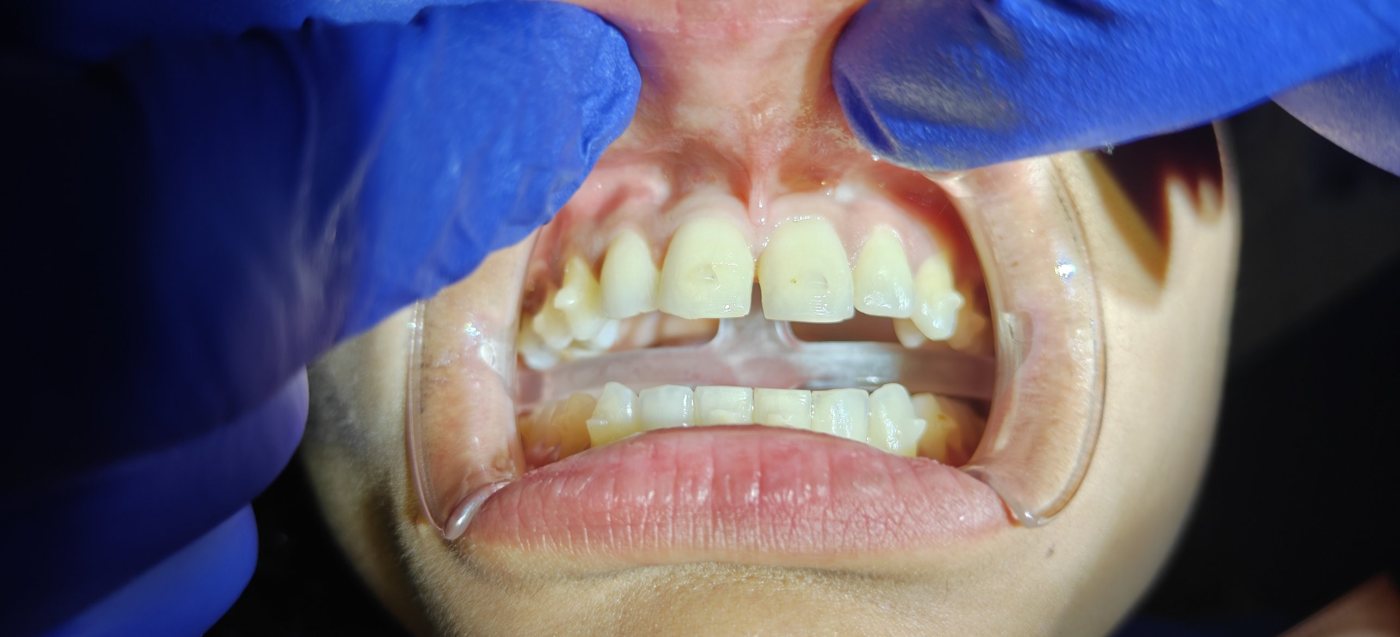
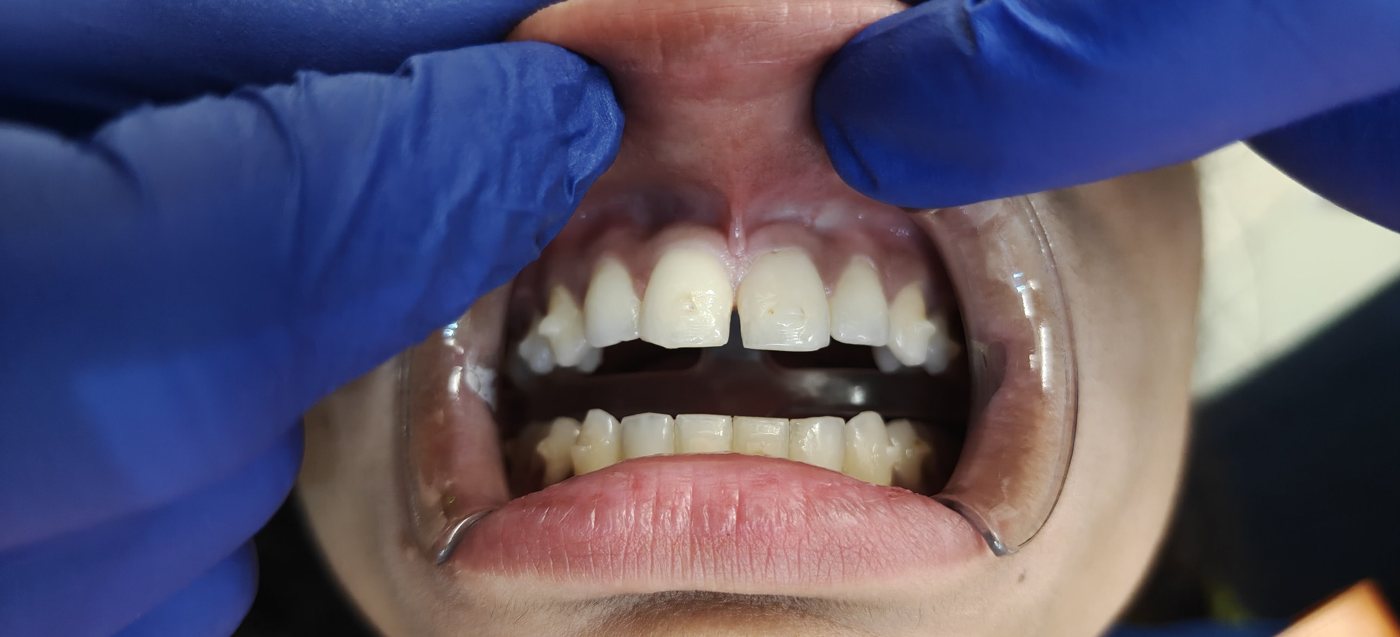
A midline diastema can have several causes: a tooth-size discrepancy, small or missing lateral incisors, habits, or a thickened labial frenum. When a high, fibrous frenum extends between the central incisors, it can hold them apart.
Closing the space with aligners alone, without addressing the frenum, can lead to relapse, where the gap slowly reopens. That is why we established the cause before choosing the treatment.
After a full clinical examination, photographs and a digital scan, we diagnosed a diastema associated with a high maxillary labial frenal attachment. We planned two phases, coordinated from the start by Dr. Anish Goyal and Dr. Neha Sharma:
A quick, comfortable 3D scan replaces impression trays. It gives accurate records and lets us simulate tooth movement before treatment starts.
The anaesthetic is delivered slowly at a controlled rate, which reduces the discomfort normally linked to injection speed and pressure.
A precise soft-tissue release with minimal bleeding, a clean field and, for most patients, a comfortable early healing phase.
Planned from the digital scan, they close the space with gradual, controlled movements, without brackets or wires.
We captured a detailed 3D model of the teeth and gums with our digital intra-oral scanner, which also allows us to show patients the planned movement in advance.
For the frenectomy, we used a computer-controlled local anaesthetic delivery system. Many patients feel anxious about injections near the front of the mouth, and slow, controlled delivery helped keep this patient relaxed throughout.
Using a 10-watt BIOLASE diode laser with a sapphire tip, applied in contact mode with pulsed (non-continuous) emission, the frenum was released precisely under local anaesthesia. Compared with a conventional scalpel technique, laser frenectomy offers:
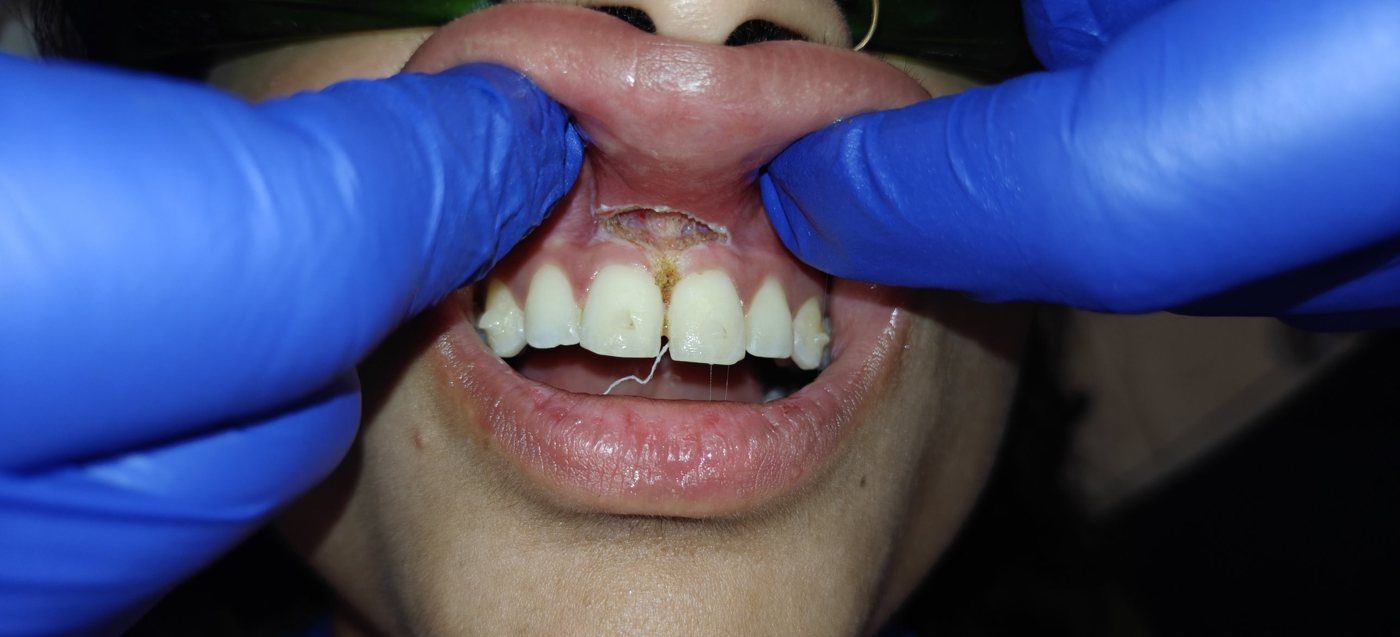
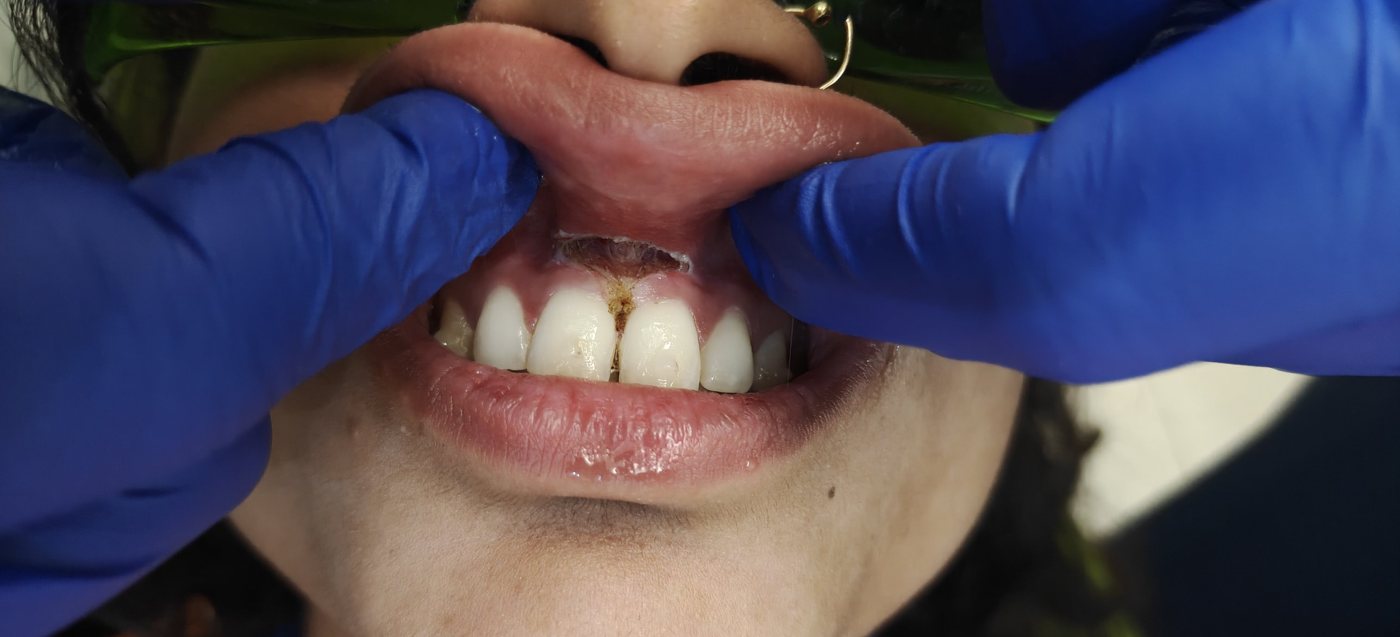
The patient received post-operative instructions on oral hygiene, diet and care of the healing site. Paracetamol was advised for any discomfort, and antibiotics were not required.
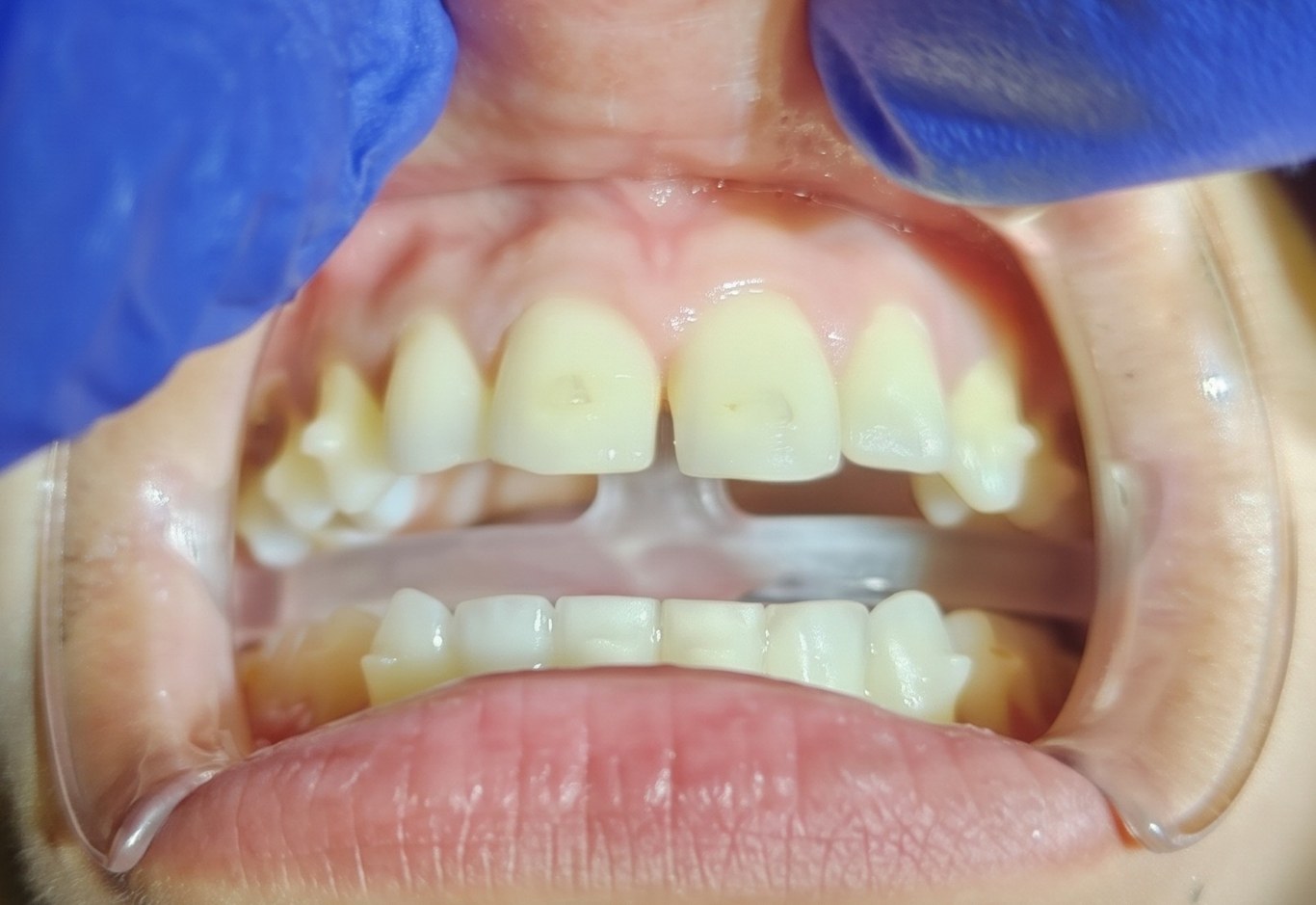
Drag the handle left and right to compare the same patient before the laser frenectomy and after healing.
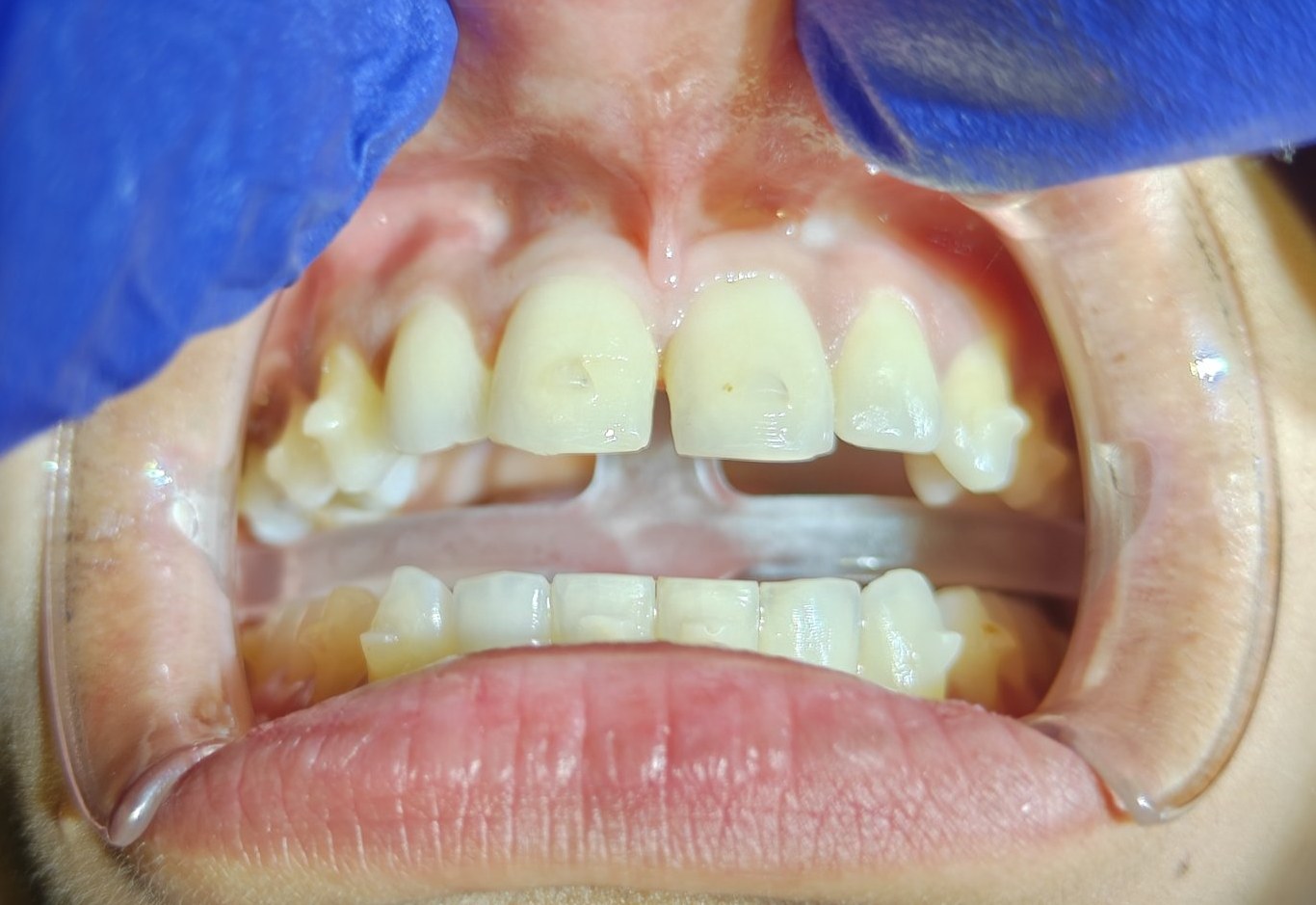
 Before
After healing
Before
After healing
Phase 1, laser frenectomy: complete. The frenum has been released and the tissue has healed smoothly, as the slider above shows.
Phase 2, Invisalign: 18 aligners over an estimated 3–4 months, started immediately after the frenectomy. The aligners are designed from the digital scan and worn as directed. Permanent retention (a fixed retainer) follows, to protect the result and help prevent relapse.
We will add final photographs to this case report once aligner treatment is complete.
Good outcomes come from treating the cause as well as the cosmetic concern. In this case, that meant bringing soft-tissue surgery, orthodontic planning and digital technology together in one sequence.
| Challenge | Our solution |
|---|---|
| Diagnosing the true cause | Clinical assessment and digital records |
| Accurate planning | Intra-oral scanning and 3D treatment simulation |
| Patient comfort | Computer-controlled local anaesthesia |
| Releasing the frenum | Precise dental laser frenectomy |
| Closing the space discreetly | Invisalign clear aligners |
| Long-term stability | Frenum release plus retention |
Dr. Goyal holds a Master of Dental Surgery (MDS) and is a certified Invisalign provider, practising at Dental Arch, Gurgaon. He treated this case together with Dr. Sharma.
Full profile →
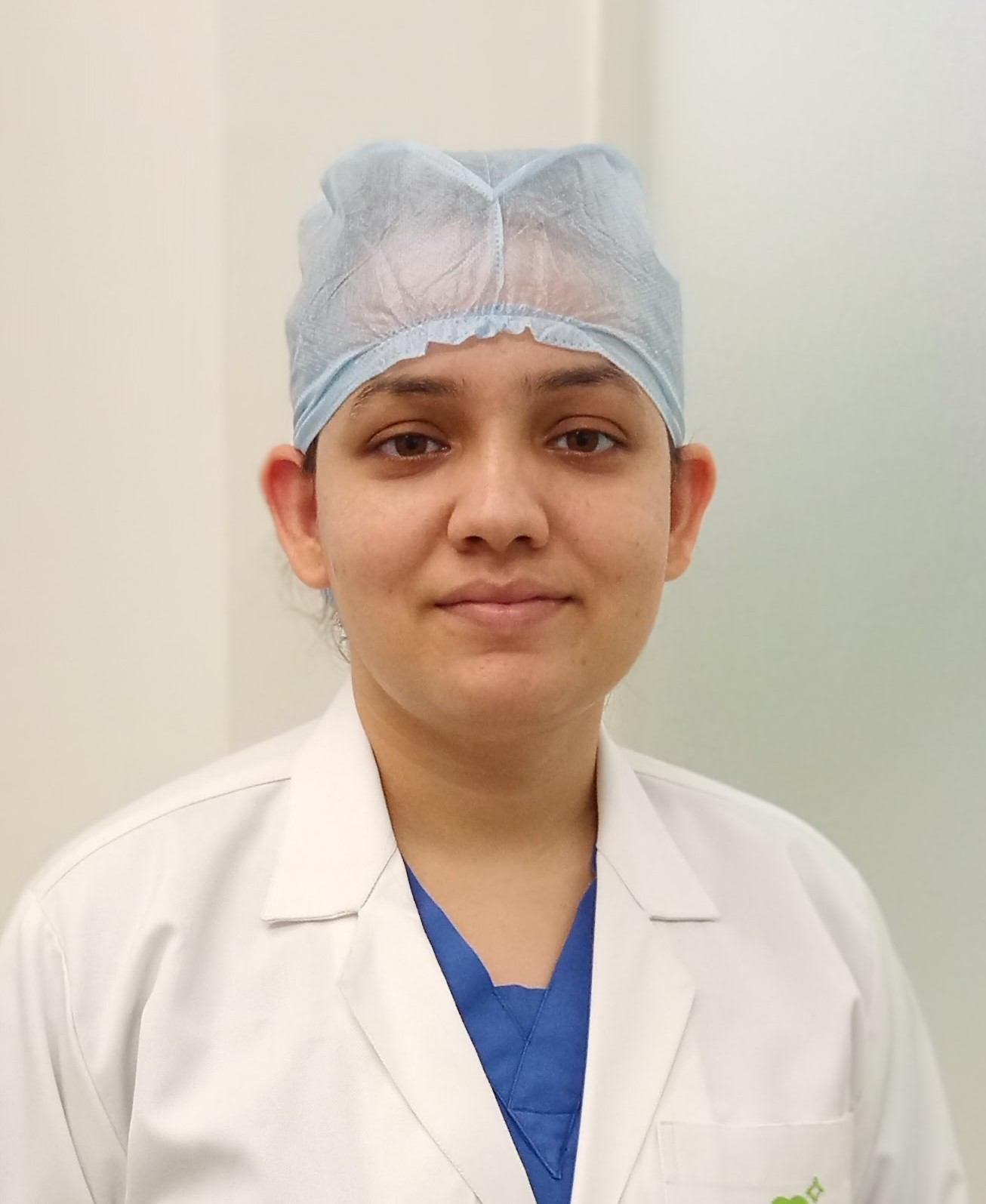
Dr. Sharma holds a Master of Dental Surgery (MDS) and is a certified Invisalign provider, practising at Dental Arch, Gurgaon. She treated this case together with Dr. Goyal.
Full profile →
The procedure is performed under local anaesthesia, so patients do not feel pain during it. Mild soreness afterwards is usually manageable.
Sometimes. If a high frenum is the cause, treating only the gap can lead to relapse, so we assess this first.
It depends on the size of the gap and the complexity of the case. Laser healing takes days to weeks, and aligner treatment generally takes several months.
In many cases, yes. Suitability depends on your individual examination, which is why we begin with a consultation and a digital scan.
Not every diastema has the same cause, and the right treatment starts with the right diagnosis. Book a consultation to find out whether a combined frenectomy and Invisalign approach suits you.
Landline: 0124-4181454
This case report describes one patient's treatment and is published with her consent. Results vary between individuals, and suitability for any treatment can only be determined after a clinical examination.
Invisalign is a registered trademark of Align Technology, Inc. BIOLASE is a registered trademark of BIOLASE, Inc. Logos are shown to identify the technology used and do not imply endorsement.
Dental Arch Gurgaon
Lower Ground Floor-105, Sector-28, Gurgaon, Haryana. Near Golf Course Road.